Conchies’ Road: Dartmoor’s Road to Nowhere
Across Dartmoor lies an unfinished track known locally as the “Road to Nowhere”. It was built by conscientious objectors during the First World War and remains a reminder of a less familiar chapter in the moor’s history.
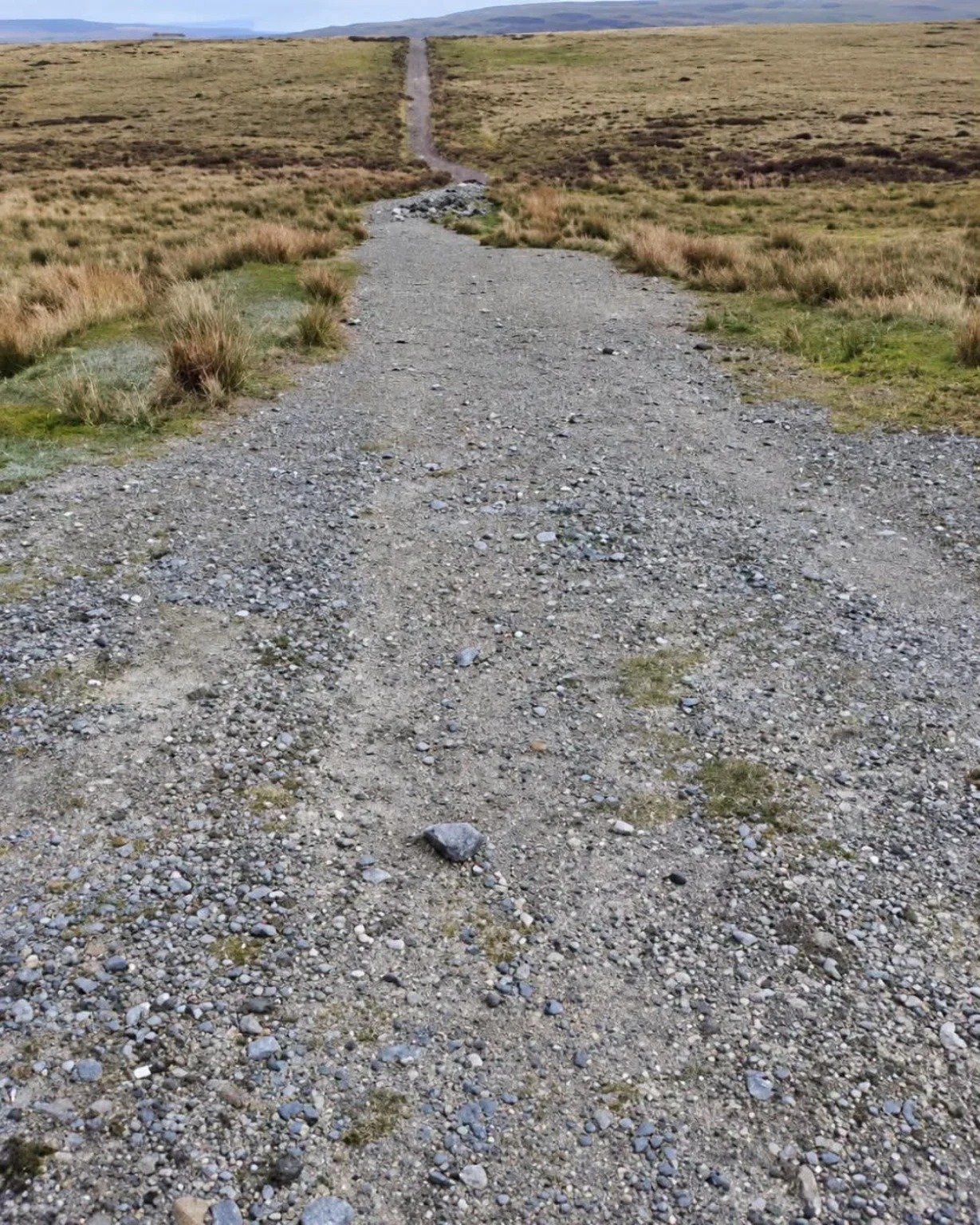
An unfinished road across the moor
Starting at Bullpark, near Tor Royal just east of Princetown, the track heads across the open moor towards Swincombe Bridge. However, the constructed road ends well short of the bridge, leaving walkers to continue along moorland paths.
The men behind the road
In March 1917, Dartmoor Prison became the Princetown Work Centre, accommodating around 1,000 men who had refused military service on grounds of conscience. Their objections included religious beliefs, political convictions and moral opposition to killing. The nickname “conchies” was frequently used as an insult.
Although they occupied former prison cells, the men lived under different conditions from ordinary prisoners. Cell-door locks were removed, warders became work supervisors, and the men could move around the local area outside working hours. Nevertheless, they faced considerable hostility and prejudice.
A scheme that was never completed
Their work included farming, reclaiming moorland and building walls and roads. Conchies’ Road formed part of a Duchy of Cornwall scheme to establish two new farms around Royal Hill. The farms never materialised, and the road remained unfinished—giving rise to its “Road to Nowhere” nickname.
A lasting reminder
The Armistice in November 1918 did not bring immediate release: departures from the work centre began in April 1919. Today, Conchies’ Road, Conchies’ Wall and Conchies’ Field preserve the memory of these men and the work they carried out on Dartmoor more than a century ago.
Explore more of the moor in my Dartmoor hike reports, or discover more stories on the Blog.
Have you walked Conchies’ Road, or did you know the story behind it?
I’d love to hear your thoughts in the comments below.
Leave a comment about this story